Exploring the Legacy of Islamic Architecture: From the Alhambra to the Taj Mahal
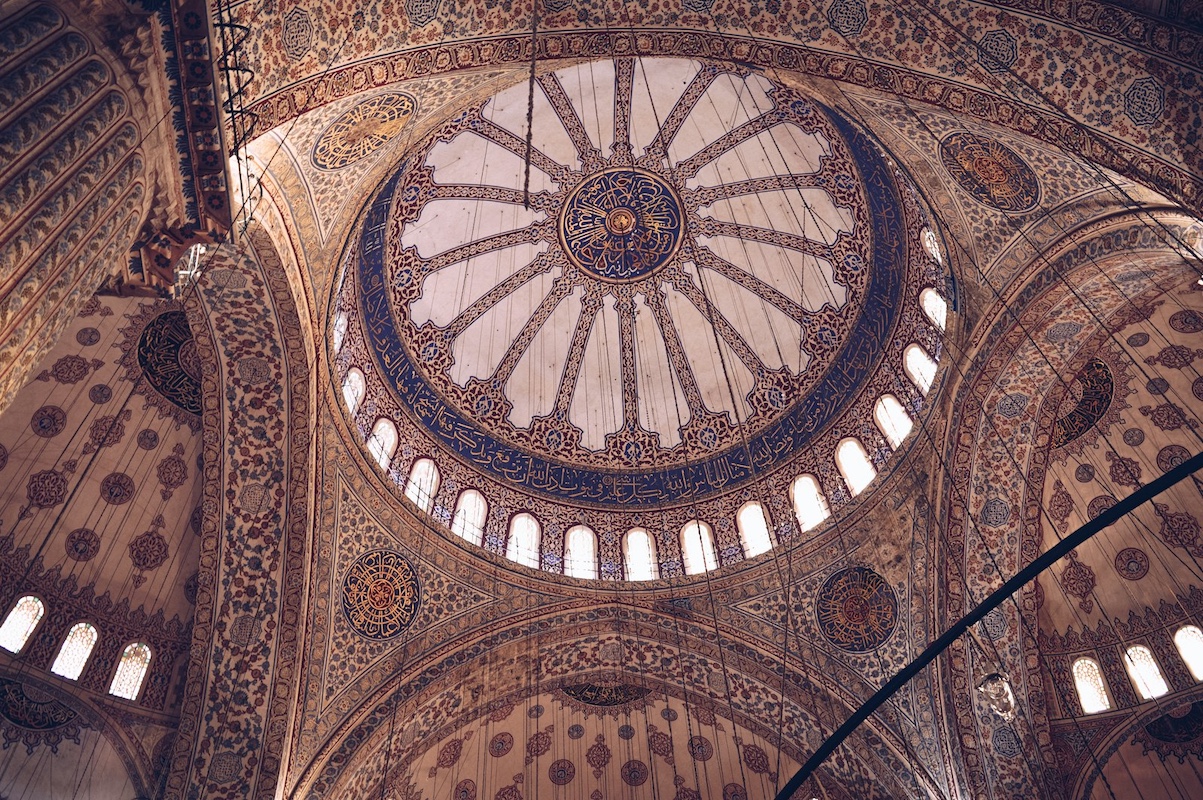
Islamic architecture is a breathtaking expression of faith, artistry, and innovation that has left an indelible mark on the global landscape. From the intricate stucco work of the Alhambra to the majestic symmetry of the Taj Mahal, these structures tell stories of empires, spirituality, and a profound understanding of geometry, light, and space. Exploring this legacy is a journey through centuries of cultural exchange and unparalleled craftsmanship.
Defining Elements of Islamic Architectural Style:
While diverse across geographical regions and historical periods, Islamic architecture shares several key characteristics:
- Geometric Patterns: Intricate geometric designs, often based on mathematical principles, are a hallmark, reflecting a belief in the underlying order and harmony of the universe.
- Arabesques: Flowing, organic patterns featuring stylized plant forms and calligraphy create a sense of dynamism and beauty.
- Calligraphy: The art of beautiful writing, often featuring verses from the Quran, adorns walls, domes, and arches, serving both decorative and spiritual purposes.
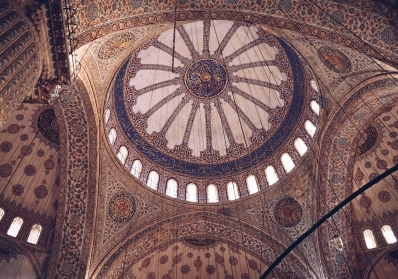
- Domes and Minarets: Domes, often hemispherical or onion-shaped, became prominent features of mosques and other important buildings, symbolizing the heavens. Minarets, tall towers, served as vantage points for the call to prayer.
- Arches: Various types of arches, including horseshoe, pointed (ogive), and multifoil arches, add structural elegance and visual interest.
- Courtyards (Sahns): Central courtyards provide open spaces for congregation, reflection, and often feature water elements like fountains or pools, symbolizing paradise.
- Muqarnas: These honeycomb or stalactite-like vaulting elements create stunning three-dimensional decorative surfaces, particularly in domes and semi-domes.
Iconic Masterpieces Through the Ages:
Let's journey through some of the most iconic examples of Islamic architecture, showcasing its evolution and diversity:
-
The Alhambra (Granada, Spain): A breathtaking palace and fortress complex of the Nasrid dynasty, the last Muslim rulers in Spain. Its intricate stucco work, serene courtyards like the Court of the Lions, and reflecting pools exemplify the sophisticated artistry and harmonious integration with nature achieved in Al-Andalus. The play of light and shadow within its spaces creates an almost ethereal atmosphere.
-
The Great Mosque of Córdoba (Spain): Originally a Roman temple and then a Visigothic church, it was transformed into a magnificent mosque after the Muslim conquest. Its forest of columns connected by double-tiered horseshoe arches is a unique and awe-inspiring architectural feat, reflecting the Umayyad Caliphate's power and artistic vision.
-
The Dome of the Rock (Jerusalem): One of the earliest and most significant Islamic structures, the Dome of the Rock is an octagonal shrine adorned with stunning mosaics and calligraphy. Its golden dome dominates the Jerusalem skyline and marks a site of immense religious importance for Muslims.
-
The Great Mosque of Isfahan (Iran): A UNESCO World Heritage site, this congregational mosque showcases the evolution of mosque architecture over centuries, with contributions from various dynasties. Its diverse architectural styles, intricate tilework, and monumental iwans (vaulted halls) surrounding a central courtyard are a testament to Persian Islamic artistry.
-
The Süleymaniye Mosque (Istanbul, Turkey): An imperial mosque commissioned by Sultan Süleyman the Magnificent, it exemplifies the grandeur and balance of classical Ottoman architecture. Its elegant domes, towering minarets, and harmonious proportions reflect the empire's power and sophistication under the renowned architect Mimar Sinan.
-
The Taj Mahal (Agra, India): Perhaps the most globally recognized example of Islamic architecture, the Taj Mahal is an ivory-white marble mausoleum commissioned by the Mughal emperor Shah Jahan in memory of his wife. Its perfect symmetry, intricate inlay work of precious stones, and serene gardens embody a profound expression of love and artistic excellence, blending Persian, Islamic, and Indian architectural styles.
A Lasting Legacy:
The legacy of Islamic architecture extends far beyond these iconic examples. Its influence can be seen in architectural styles across the globe, from the Moorish Revival in Europe and the Americas to the incorporation of its design principles in modern buildings. The emphasis on geometric order, the masterful use of light and shadow, and the integration of art and spirituality continue to inspire architects and captivate admirers worldwide.
Exploring the legacy of Islamic architecture is not just about admiring beautiful buildings; it's about understanding the rich history, scientific advancements, and artistic sensibilities of the civilizations that created them. From the sun-drenched courtyards of the Alhambra to the moonlit silhouette of the Taj Mahal, these structures stand as enduring monuments to human creativity and the profound influence of Islamic culture on the world.
Latest Articles

Latest Updates in Online Courses and Education.
For centuries, spanning the early caliphates through the powerful Ottoman, Safavid, and Mughal empires, the realms under Islamic rule played...
Read MoreThe Islamic Golden Age (roughly 8th to 13th centuries CE) stands as a remarkable period of intellectual flourishing, and nowhere...
Read MoreIslamic art is a captivating expression of faith, culture, and artistic ingenuity that has flourished across centuries and continents. Far...
Read MoreThe story of Islam's expansion from its humble beginnings in the Arabian Peninsula to a global faith with over a...
Read MoreOften overshadowed by dominant narratives, the early history of Islam reveals a vibrant landscape where women were not merely passive...
Read MoreWhile the European Renaissance is often credited as the birthplace of modern science, a vibrant intellectual revolution flourished centuries earlier...
Read MoreFor over six centuries, the Ottoman Empire cast a long shadow across continents, its influence stretching from Southeast Europe to...
Read MoreThe vast and rich tapestry of Muslim history is woven with the lives and achievements of countless remarkable individuals who...
Read MoreExploring the Ancient World: Bible History & Archaeology
Uncover the people, places, and events that shaped biblical and ancient history.
Dive into a rich collection of resources on ancient civilizations, biblical archaeology, and historical contexts. From the empires of Babylon and Assyria to the life of Jesus and the early church, discover maps, timelines, commentaries, and scholarly insights that bring the ancient world to life. Explore the intersection of faith, history, and archaeology with our curated articles, maps, and studies.