The Impact of Islamic Empires on Global Trade and Commerce
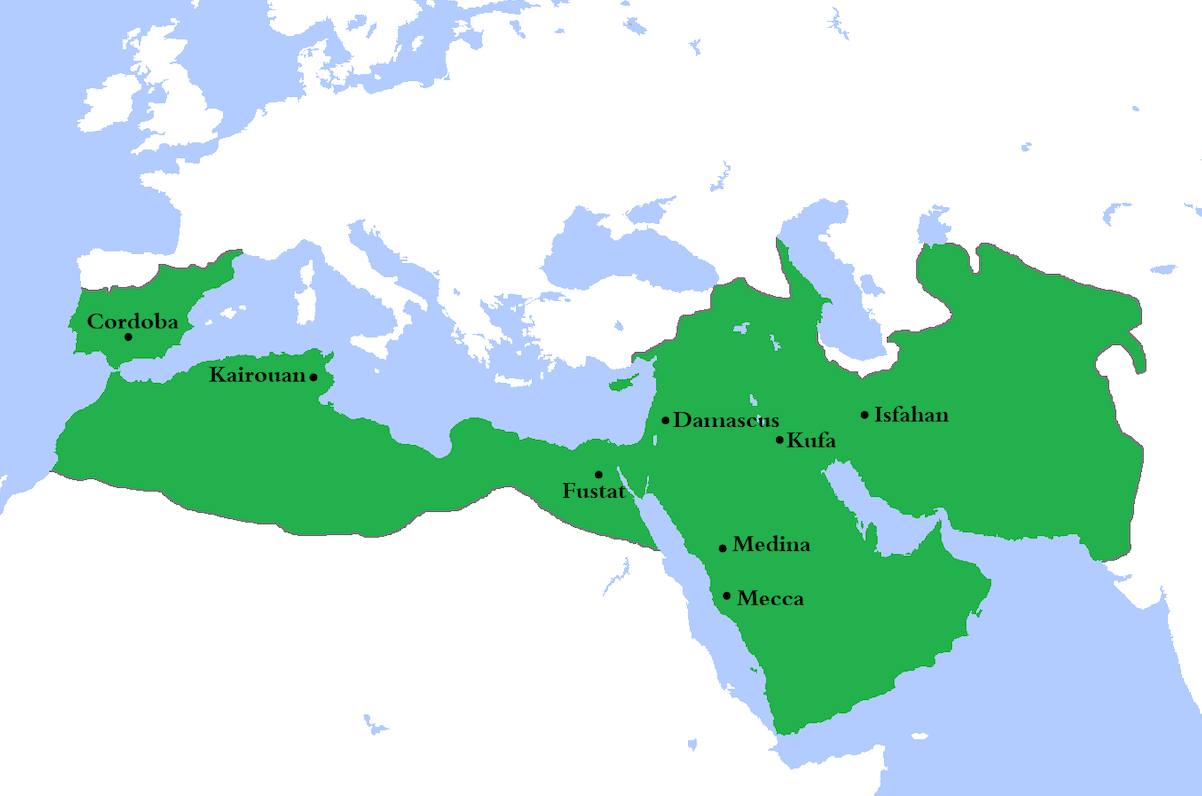
For centuries, spanning the early caliphates through the powerful Ottoman, Safavid, and Mughal empires, the realms under Islamic rule played a pivotal and transformative role in the landscape of global trade and commerce. Situated strategically at the crossroads of East and West, these empires not only facilitated the exchange of goods but also fostered innovation in business practices, navigation, and the very infrastructure of trade, leaving a lasting impact on the world economy.
A Geopolitical Advantage:
The early Islamic conquests rapidly brought vast and diverse territories under a unified (at least initially) rule. This geographical expanse encompassed crucial trade routes linking the Mediterranean world, Europe, Africa, India, and China. Control over these vital arteries provided Islamic empires with significant economic leverage and fostered an environment conducive to trade.
Facilitating the Flow of Goods:
Islamic empires actively encouraged and facilitated the movement of goods across their territories and beyond:
- Land Routes: The famed Silk Road, connecting East Asia with the Mediterranean, flourished under periods of stability within the Abbasid and later empires. Caravans laden with silk, spices, porcelain, and other valuable commodities traversed these routes, with Muslim merchants playing a central role in their organization and financing.
- Sea Routes: Muslim seafarers dominated trade in the Indian Ocean, connecting East Africa, Arabia, Persia, and India. They developed sophisticated navigational techniques and maritime technologies, facilitating the exchange of spices, textiles, precious metals, and other goods. The Red Sea and the Persian Gulf became vital maritime highways.
- Trans-Saharan Trade: Islamic empires in North Africa played a crucial role in the trans-Saharan trade, connecting the gold and salt resources of sub-Saharan Africa with the Mediterranean world. This exchange brought wealth and influence to both regions.
Innovations in Trade and Commerce:
Beyond simply facilitating the movement of goods, Islamic societies during this era pioneered numerous innovations that revolutionized trade and commerce:
- Sophisticated Financial Instruments: The development and widespread use of suftaja (a form of letter of credit or bill of exchange) allowed merchants to conduct long-distance trade without the need to transport large amounts of cash, reducing risk and facilitating larger transactions. The concept of partnerships (mudaraba) allowed for the pooling of capital and sharing of profits, fostering investment.
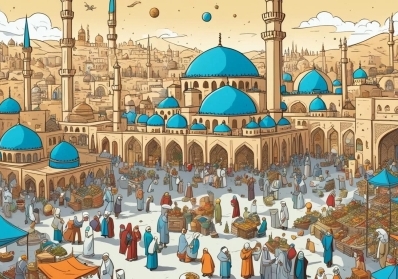
- Organized Markets and Trading Centers: Major cities like Baghdad, Cairo, Damascus, and Córdoba became bustling hubs of international trade. They featured well-organized markets (suqs) with specialized sections, warehouses, and established customs and regulations.
- Standardized Weights and Measures: Efforts were made to standardize weights and measures across regions, facilitating fair trade and reducing disputes.
- Maritime Advancements: Muslim navigators made significant contributions to cartography and developed advanced navigational tools like the astrolabe, which aided in accurate seafaring and the charting of new routes. They also improved shipbuilding techniques.
- Agricultural Exchange: The spread of new crops across the Islamic world, such as citrus fruits, cotton, sugar, and rice, had a profound impact on agriculture and trade patterns in the regions they were introduced to and eventually beyond.
The Influence of Islamic Legal and Ethical Frameworks:
Islamic law (Sharia) provided a framework for ethical and fair business practices. Concepts like the prohibition of usury (riba) and the emphasis on honest dealings fostered a degree of trust and stability in commercial transactions.
Lasting Impact on the Global Economy:
The impact of Islamic empires on global trade and commerce was profound and long-lasting:
- Connecting East and West: They played a crucial role in bridging the economic and cultural gap between the East and West, facilitating the exchange of goods, ideas, and technologies that enriched both regions.
- Laying the Groundwork for Future Trade: Many of the commercial practices and financial instruments developed during this era laid the foundation for modern banking and trade systems.
- The Spread of Knowledge and Innovation: The flourishing of trade also facilitated the exchange of scientific and technological knowledge, contributing to advancements in various fields.
- Urban Development: The wealth generated by trade fueled the growth of major urban centers, which became centers of culture, learning, and further economic activity.
The Islamic empires were not just political entities; they were vital engines of global trade and commerce. Their strategic location, proactive policies, innovative practices, and legal frameworks created a dynamic economic environment that connected distant lands and left an enduring legacy on the way the world conducts business. Recognizing this contribution is essential to understanding the interconnected history of global trade and the profound influence of Islamic civilization.
Latest Articles
Latest Updates in Online Courses and Education.
The Islamic Golden Age (roughly 8th to 13th centuries CE) stands as a remarkable period of intellectual flourishing, and nowhere...
Read MoreIslamic art is a captivating expression of faith, culture, and artistic ingenuity that has flourished across centuries and continents. Far...
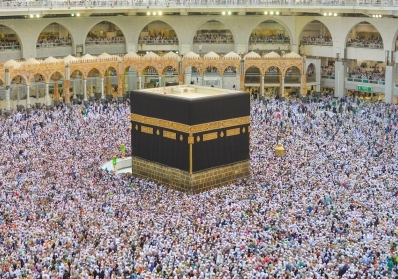
Read MoreThe story of Islam's expansion from its humble beginnings in the Arabian Peninsula to a global faith with over a...
Read MoreOften overshadowed by dominant narratives, the early history of Islam reveals a vibrant landscape where women were not merely passive...
Read MoreWhile the European Renaissance is often credited as the birthplace of modern science, a vibrant intellectual revolution flourished centuries earlier...
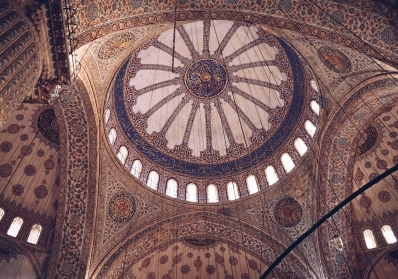
Read MoreIslamic architecture is a breathtaking expression of faith, artistry, and innovation that has left an indelible mark on the global...
Read MoreFor over six centuries, the Ottoman Empire cast a long shadow across continents, its influence stretching from Southeast Europe to...
Read MoreThe vast and rich tapestry of Muslim history is woven with the lives and achievements of countless remarkable individuals who...
Read MoreExploring the Ancient World: Bible History & Archaeology
Uncover the people, places, and events that shaped biblical and ancient history.
Dive into a rich collection of resources on ancient civilizations, biblical archaeology, and historical contexts. From the empires of Babylon and Assyria to the life of Jesus and the early church, discover maps, timelines, commentaries, and scholarly insights that bring the ancient world to life. Explore the intersection of faith, history, and archaeology with our curated articles, maps, and studies.