The Role of Women in Early Islamic History: Empowerment and Influence
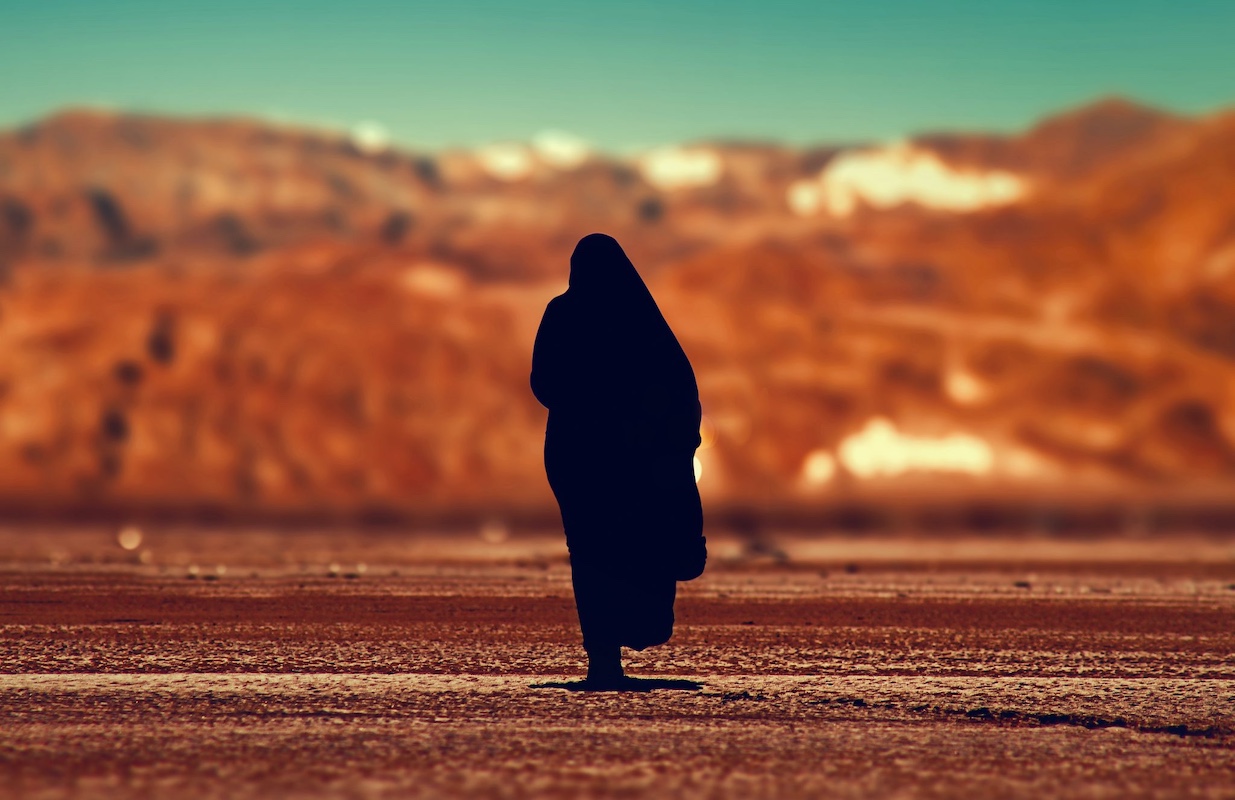
Often overshadowed by dominant narratives, the early history of Islam reveals a vibrant landscape where women were not merely passive figures but active participants, exercising considerable influence in religious, political, social, and intellectual spheres. Examining this period unveils stories of empowerment, leadership, scholarship, and resilience that challenge conventional understandings and offer valuable perspectives for today.
A Foundation of Rights and Recognition:
The advent of Islam in the 7th century brought about significant changes in the status and rights of women in Arabian society. The Quran and the teachings of Prophet Muhammad (peace be upon him) introduced reforms that granted women rights they had often been denied, including:
- Economic Rights: Women were entitled to own property, inherit wealth, engage in trade, and manage their own earnings independently.
- Legal Rights: They had the right to enter into contracts, testify in court (though often with specific conditions), and seek divorce under certain circumstances.
- Educational Opportunities: While access wasn't universal, many women actively sought and attained knowledge, particularly in religious sciences, poetry, and literature.
- Social Participation: Women were involved in community life, participated in discussions, offered counsel, and even played roles in warfare, primarily in support capacities.
Influential Figures and Their Impact:
The early Islamic era is replete with examples of women who wielded significant influence:
-
Khadijah bint Khuwaylid (c. 565 – 619 CE): The Prophet Muhammad's first wife, Khadijah was a successful merchant who played a pivotal role in the early days of Islam. She was the first person to accept his prophethood, offering unwavering support, both emotional and financial, during a time of great hardship. Her wisdom and steadfast faith were invaluable to the nascent Muslim community.
-
Aisha bint Abi Bakr (c. 613/614 – 678 CE): A wife of the Prophet, Aisha was a highly respected scholar and a major source of hadith (sayings and traditions of the Prophet). Her extensive knowledge of Islamic law, poetry, and medicine made her an influential figure long after the Prophet's passing. She also played a notable (and sometimes controversial) political role during the early caliphate.
-
Fatima bint Muhammad (c. 605 – 632 CE): The Prophet's daughter, Fatima is revered for her piety, compassion, and strength. She is a central figure in Shia Islam and an exemplary model of womanhood for Muslims across different traditions.
-
Umm Salama (c. 596 – 683 CE): Another wife of the Prophet, Umm Salama was known for her wisdom and sound judgment. She provided crucial counsel to the Prophet and later to the early Muslim leaders, particularly during times of crisis. Her knowledge and insightful advice were highly valued.
-
Nusayba bint Ka'ab (Umm Umara) (d. after 632 CE): A woman from Medina who actively participated in the Battle of Uhud, defending the Prophet with remarkable bravery when the Muslim forces faced a setback. Her courage and commitment serve as an inspiring example of women's involvement in the early community's struggles.
-
Female Scholars and Narrators: Beyond these prominent figures, numerous women were known for their expertise in Islamic sciences and their role in transmitting knowledge. They served as teachers and narrators of hadith, contributing significantly to the preservation and understanding of early Islamic teachings.
Beyond the Elite:
It's important to remember that influence wasn't limited to the most famous women. Archaeological evidence and historical accounts suggest that women across different social strata participated actively in economic life, community affairs, and religious practices. Their contributions, though perhaps less documented in grand historical narratives, were essential to the fabric of early Muslim society.
Challenging Misconceptions:
Understanding the role of women in early Islamic history challenges common misconceptions and provides a more nuanced and accurate portrayal of the past. It highlights a period where women enjoyed certain rights and exercised influence in ways that might surprise those unfamiliar with this era.
By exploring the lives and contributions of these empowered women, we gain a deeper appreciation for the richness and complexity of early Islamic history and find inspiring examples of female agency and leadership that continue to resonate today. Their stories serve as a powerful reminder that women have always been integral to shaping societies and leaving an enduring legacy.
Latest Articles
Latest Updates in Online Courses and Education.
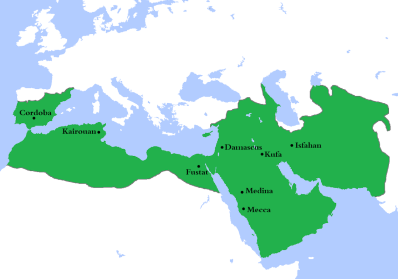
For centuries, spanning the early caliphates through the powerful Ottoman, Safavid, and Mughal empires, the realms under Islamic rule played...
Read MoreThe Islamic Golden Age (roughly 8th to 13th centuries CE) stands as a remarkable period of intellectual flourishing, and nowhere...
Read MoreIslamic art is a captivating expression of faith, culture, and artistic ingenuity that has flourished across centuries and continents. Far...
Read MoreThe story of Islam's expansion from its humble beginnings in the Arabian Peninsula to a global faith with over a...
Read MoreWhile the European Renaissance is often credited as the birthplace of modern science, a vibrant intellectual revolution flourished centuries earlier...
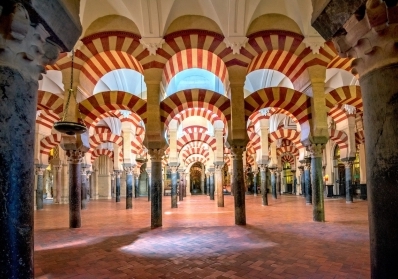
Read MoreIslamic architecture is a breathtaking expression of faith, artistry, and innovation that has left an indelible mark on the global...
Read MoreFor over six centuries, the Ottoman Empire cast a long shadow across continents, its influence stretching from Southeast Europe to...
Read MoreThe vast and rich tapestry of Muslim history is woven with the lives and achievements of countless remarkable individuals who...
Read MoreExploring the Ancient World: Bible History & Archaeology
Uncover the people, places, and events that shaped biblical and ancient history.
Dive into a rich collection of resources on ancient civilizations, biblical archaeology, and historical contexts. From the empires of Babylon and Assyria to the life of Jesus and the early church, discover maps, timelines, commentaries, and scholarly insights that bring the ancient world to life. Explore the intersection of faith, history, and archaeology with our curated articles, maps, and studies.