The Golden Age of Islam: How Muslim Civilization Shaped the Modern World
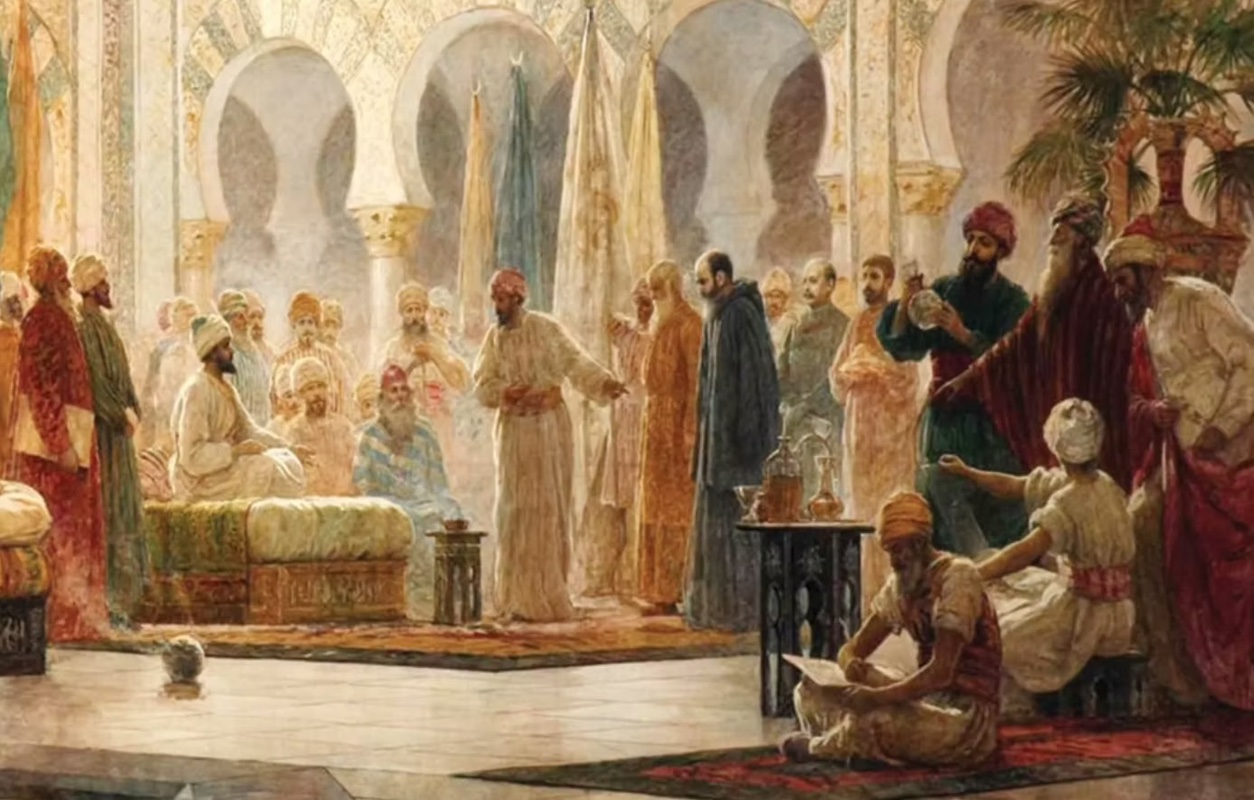
For centuries, the period roughly spanning the 8th to the 13th centuries CE is often referred to as the "Golden Age of Islam." This era, flourishing across the Middle East, North Africa, and parts of Europe, wasn't just a time of political expansion and economic prosperity; it was an intellectual and cultural explosion that laid the very foundations for many aspects of the modern world we inhabit today.
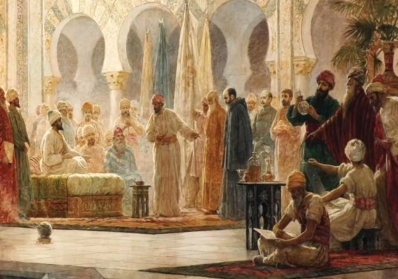
Imagine a world where scientific inquiry was not only encouraged but actively funded, where libraries overflowed with manuscripts from across civilizations, and where scholars from diverse backgrounds collaborated to push the boundaries of knowledge. This was the reality of the Golden Age of Islam. While Europe was navigating the Early Middle Ages, Muslim civilization was ablaze with innovation, preserving and building upon the wisdom of the Greeks, Romans, Indians, and Persians.
A Beacon of Knowledge:
At the heart of this intellectual fervor was a deep respect for learning. The establishment of institutions like the House of Wisdom in Baghdad under the Abbasid Caliphate transformed the pursuit of knowledge. Scholars meticulously translated classical texts into Arabic, safeguarding invaluable works of philosophy, mathematics, astronomy, and medicine that would later be rediscovered by Europe during the Renaissance. Figures like Al-Khwarizmi, whose work introduced algebra (derived from the Arabic word "al-jabr"), and Ibn Sina (Avicenna), whose "Canon of Medicine" remained a standard medical text for centuries in both the East and West, exemplify this era's profound impact on scientific thought.
Innovations that Transformed the World:
Beyond preservation, Muslim scholars and thinkers made groundbreaking advancements across various fields:
- Mathematics: Building upon Greek and Indian systems, they developed the decimal system with the use of zero (borrowed from India and popularized by Al-Khwarizmi), which revolutionized calculation and commerce.
- Astronomy: Observatories were established, and significant progress was made in understanding celestial bodies. Muslim astronomers made accurate star catalogs and contributed to the development of astronomical instruments.
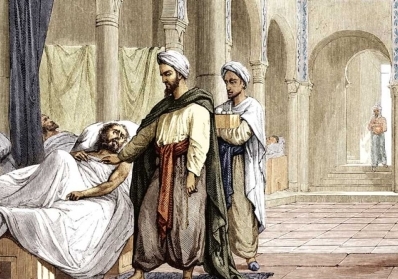
- Medicine: Islamic hospitals were models of organization and hygiene, offering advanced surgical procedures, pharmacological knowledge, and a focus on patient care. Figures like Al-Razi (Rhazes) made crucial distinctions between diseases like smallpox and measles.
- Optics: Ibn al-Haytham (Alhazen) revolutionized the understanding of vision with his "Book of Optics," laying the groundwork for modern optics and influencing later European scientists like Roger Bacon.
- Philosophy: Thinkers like Al-Farabi and Ibn Rushd (Averroes) engaged deeply with Greek philosophy, particularly Aristotle, and their commentaries and interpretations significantly influenced medieval European scholasticism.
- Art and Architecture: Islamic art flourished with intricate geometric patterns, calligraphy, and arabesques. Grand mosques, palaces, and public buildings showcased architectural innovations like the pointed arch and the dome, which later influenced Gothic architecture.
- Agriculture and Trade: Sophisticated irrigation techniques were developed and implemented, leading to agricultural advancements. Extensive trade networks facilitated the exchange of goods, ideas, and technologies across continents.
A Legacy that Endures:
The Golden Age of Islam was not merely a historical footnote; its impact reverberates through our modern world. From the numerals we use every day to fundamental principles in science and medicine, the contributions of this era are undeniable. The spirit of intellectual curiosity, the dedication to learning, and the cross-cultural exchange that characterized this period serve as a powerful reminder of the potential for human progress when knowledge is valued and shared.
By exploring the rich tapestry of the Golden Age of Islam, we gain a deeper appreciation for the interconnectedness of history and the profound influence of Muslim civilization on the world we live in today. It is a story of intellectual dynamism, cultural brilliance, and a lasting legacy that continues to shape our understanding of science, philosophy, art, and beyond.
Latest Articles
Latest Updates in Online Courses and Education.
For centuries, spanning the early caliphates through the powerful Ottoman, Safavid, and Mughal empires, the realms under Islamic rule played...
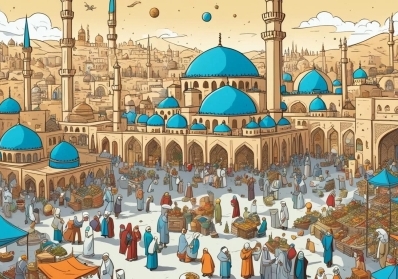
Read MoreThe Islamic Golden Age (roughly 8th to 13th centuries CE) stands as a remarkable period of intellectual flourishing, and nowhere...
Read MoreIslamic art is a captivating expression of faith, culture, and artistic ingenuity that has flourished across centuries and continents. Far...
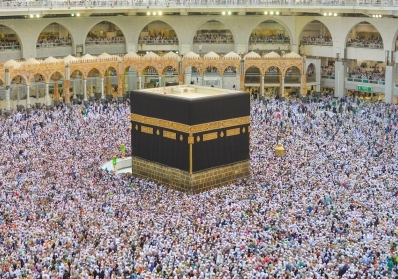
Read MoreThe story of Islam's expansion from its humble beginnings in the Arabian Peninsula to a global faith with over a...
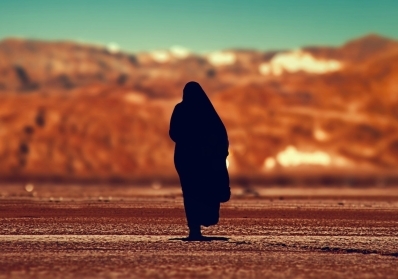
Read MoreOften overshadowed by dominant narratives, the early history of Islam reveals a vibrant landscape where women were not merely passive...
Read MoreWhile the European Renaissance is often credited as the birthplace of modern science, a vibrant intellectual revolution flourished centuries earlier...
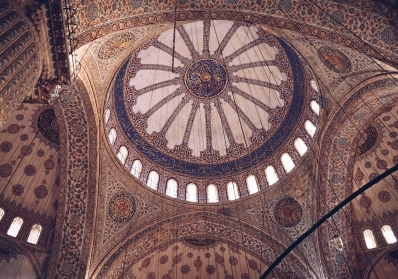
Read MoreIslamic architecture is a breathtaking expression of faith, artistry, and innovation that has left an indelible mark on the global...
Read MoreFor over six centuries, the Ottoman Empire cast a long shadow across continents, its influence stretching from Southeast Europe to...
Read MoreExploring the Ancient World: Bible History & Archaeology
Uncover the people, places, and events that shaped biblical and ancient history.
Dive into a rich collection of resources on ancient civilizations, biblical archaeology, and historical contexts. From the empires of Babylon and Assyria to the life of Jesus and the early church, discover maps, timelines, commentaries, and scholarly insights that bring the ancient world to life. Explore the intersection of faith, history, and archaeology with our curated articles, maps, and studies.