Understanding the Spread of Islam: Key Moments in Islamic Expansion
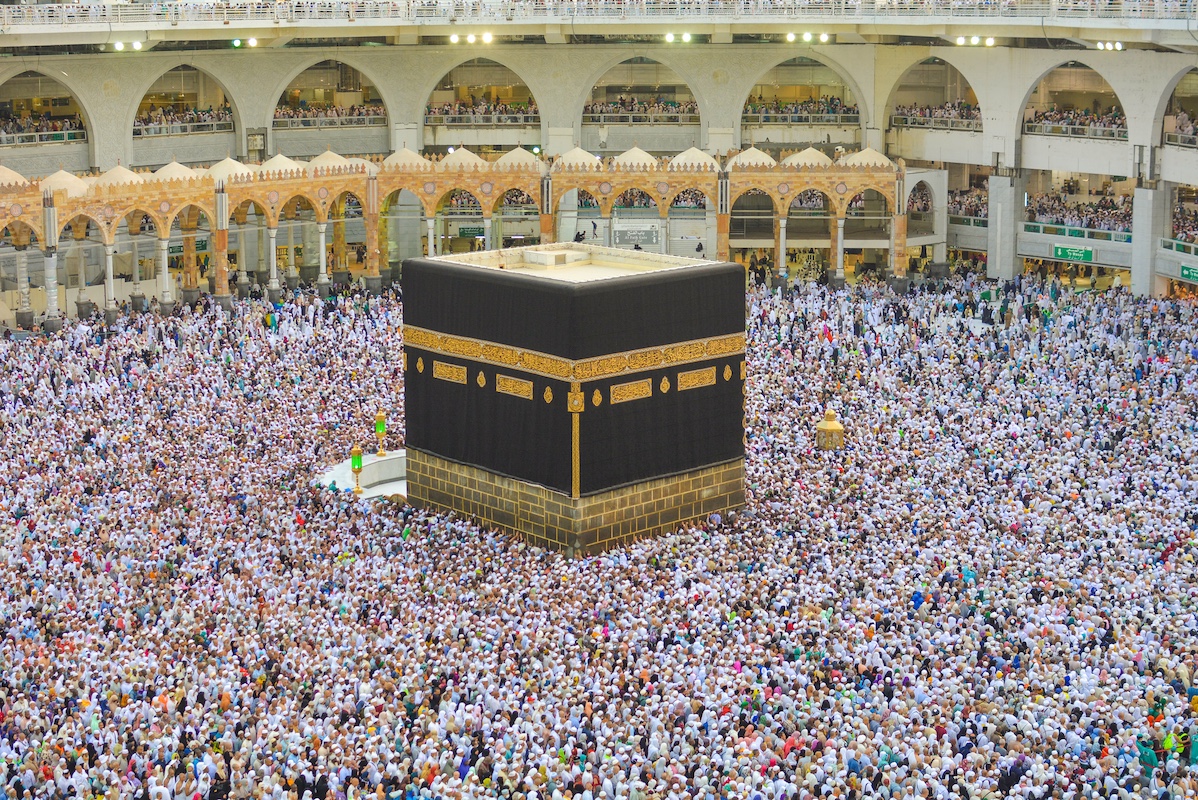
The story of Islam's expansion from its humble beginnings in the Arabian Peninsula to a global faith with over a billion adherents is a complex and multifaceted one. It encompasses not only military conquests but also trade, migration, and the compelling message of its teachings. Understanding the key moments in this expansion is crucial to grasping the historical, cultural, and political landscape of the world we live in today.
The Early Caliphate (7th Century CE): The Initial Surge
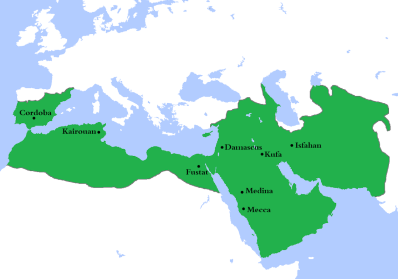
Following the passing of Prophet Muhammad (peace be upon him) in 632 CE, the early caliphate, under the leadership of the first four "Rightly Guided" Caliphs (Abu Bakr, Umar, Uthman, and Ali), witnessed a remarkable initial surge. Driven by a combination of religious zeal, political unity, and strategic military campaigns, the nascent Muslim state expanded rapidly:
- Conquest of Arabia: Under Abu Bakr, the Arabian Peninsula was consolidated after some initial challenges from dissenting tribes. This unity provided a strong base for further expansion.
- Expansion into the Levant and Egypt: During the caliphate of Umar, significant territories were conquered from the Byzantine Empire, including Syria, Palestine, and Egypt. These victories were often swift and decisive, attributed to the discipline of the Muslim armies and the relative weakness of the Byzantine and Sasanian empires.
- Conquest of Persia: Simultaneously, Muslim forces engaged the Sasanian Empire of Persia, culminating in its eventual conquest. This brought vast territories and a rich cultural heritage under Muslim rule.
- Further Expansion East and West: By the mid-7th century, Muslim armies had reached as far east as parts of Central Asia and west across North Africa.
The Umayyad Caliphate (661 – 750 CE): The Reach Extends
The Umayyad dynasty, which shifted the capital to Damascus, continued the momentum of expansion:
- North Africa and Iberia (Al-Andalus): The Umayyad conquest of North Africa was completed, and by the early 8th century, Muslim forces crossed the Strait of Gibraltar, establishing a significant presence in the Iberian Peninsula (modern-day Spain and Portugal). Al-Andalus became a vibrant center of Islamic civilization for centuries.
- Further Inroads into Central Asia and the Indian Subcontinent: Umayyad armies pushed further east into Central Asia, encountering Turkic tribes, and made initial incursions into the Sindh region of the Indian subcontinent.
- Siege of Constantinople: The Umayyads made attempts to capture the strategic Byzantine capital of Constantinople, though ultimately unsuccessful. These sieges highlight the ambition and reach of the empire.
The Abbasid Caliphate (750 – 1258 CE): Consolidation and Cultural Influence
The Abbasid Revolution brought a shift in power, with the new caliphate establishing its capital in Baghdad. While the pace of direct military conquest slowed compared to the earlier periods, the Abbasid era witnessed a significant consolidation of power and a flourishing of Islamic culture, science, and trade, which indirectly contributed to the spread of Islam:
- The Power of Trade Networks: Muslim merchants, renowned for their extensive trade routes across land and sea, carried not only goods but also their faith. Islam spread peacefully through these interactions in regions like Southeast Asia and parts of Africa.
- Sufi Missionaries: Mystical branches of Islam, particularly Sufism, played a crucial role in spreading the faith through charismatic preachers and the establishment of Sufi orders. Their emphasis on personal piety and spiritual experience resonated with diverse populations.
- Intellectual and Cultural Exchange: The intellectual dynamism of the Abbasid era, with its emphasis on knowledge and learning, attracted scholars and fostered cultural exchange, indirectly leading to the adoption of Islamic ideas and practices in various regions.
Later Expansions and Influences:
Following the decline of the Abbasid Caliphate, various Muslim empires and states continued to contribute to the spread of Islam:
- The Ottoman Empire (1299 – 1922 CE): The Ottomans expanded their dominion across Southeast Europe, North Africa, and the Middle East. Their conquests led to the establishment of significant Muslim populations in these regions.
- The Spread in Southeast Asia: Islam took root and flourished in Southeast Asia through trade and the influence of Sufi scholars, leading to the establishment of powerful sultanates.
- The Spread in Africa: Across the Sahara and down the East African coast, trade networks and the efforts of scholars and missionaries facilitated the gradual adoption of Islam by various communities.
Understanding the Nuances:
It's crucial to understand that the spread of Islam was not solely a result of military conquest. Peaceful means, such as trade, missionary activity, and cultural exchange, played a significant role, particularly in regions far from the centers of political power. The message of Islam, with its emphasis on social justice, equality, and monotheism, also resonated with diverse populations.
A Continuing Legacy:
The key moments in Islamic expansion have shaped the religious and cultural map of the world. Understanding these historical processes, with their complexities and nuances, provides valuable insights into the interconnectedness of global history and the enduring influence of Islam on societies across the globe.
Latest Articles


Latest Updates in Online Courses and Education.
For centuries, spanning the early caliphates through the powerful Ottoman, Safavid, and Mughal empires, the realms under Islamic rule played...
Read MoreThe Islamic Golden Age (roughly 8th to 13th centuries CE) stands as a remarkable period of intellectual flourishing, and nowhere...
Read MoreIslamic art is a captivating expression of faith, culture, and artistic ingenuity that has flourished across centuries and continents. Far...
Read MoreOften overshadowed by dominant narratives, the early history of Islam reveals a vibrant landscape where women were not merely passive...
Read MoreWhile the European Renaissance is often credited as the birthplace of modern science, a vibrant intellectual revolution flourished centuries earlier...
Read MoreIslamic architecture is a breathtaking expression of faith, artistry, and innovation that has left an indelible mark on the global...
Read MoreFor over six centuries, the Ottoman Empire cast a long shadow across continents, its influence stretching from Southeast Europe to...
Read MoreThe vast and rich tapestry of Muslim history is woven with the lives and achievements of countless remarkable individuals who...
Read MoreExploring the Ancient World: Bible History & Archaeology
Uncover the people, places, and events that shaped biblical and ancient history.
Dive into a rich collection of resources on ancient civilizations, biblical archaeology, and historical contexts. From the empires of Babylon and Assyria to the life of Jesus and the early church, discover maps, timelines, commentaries, and scholarly insights that bring the ancient world to life. Explore the intersection of faith, history, and archaeology with our curated articles, maps, and studies.