The Rise and Fall of the Ottoman Empire: Lessons from History
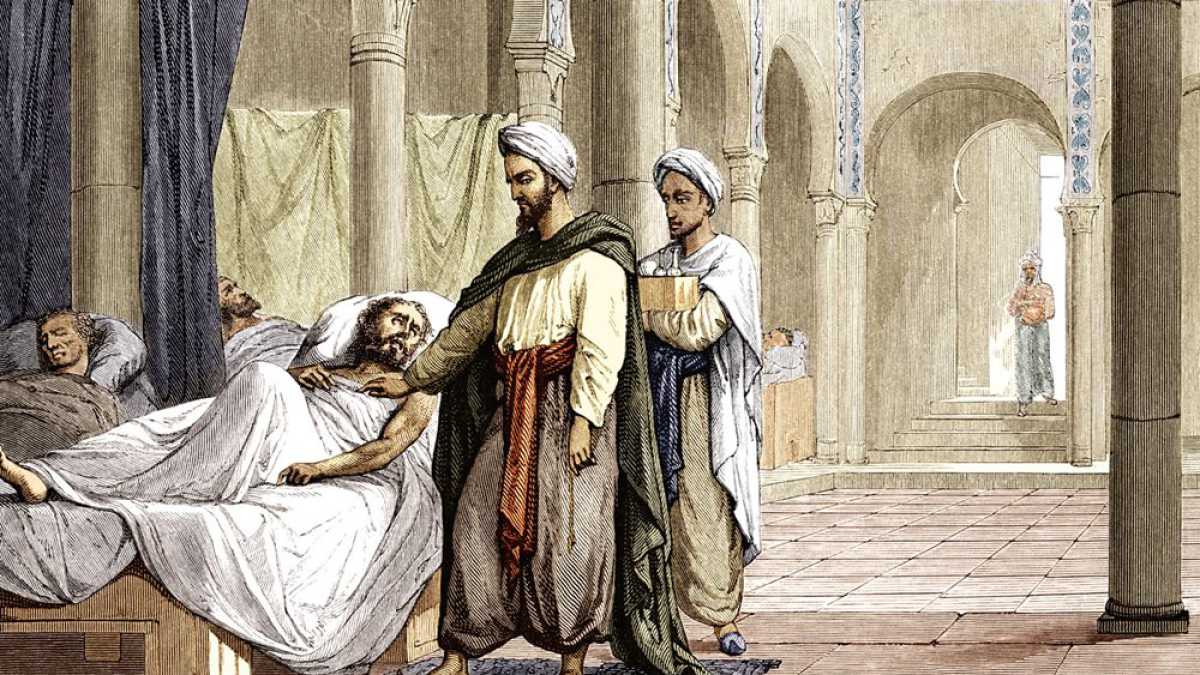
For over six centuries, the Ottoman Empire cast a long shadow across continents, its influence stretching from Southeast Europe to North Africa and the Middle East. Its rise from a small Anatolian beylik to a global power and its eventual decline offer a compelling case study in the dynamics of empires, filled with valuable lessons that resonate even in our modern world.
The Ascent: Foundations of Success
The Ottoman ascent was a remarkable feat, fueled by a confluence of factors:
- Strategic Location: Control over vital trade routes between East and West provided economic prosperity and strategic leverage. The capture of Constantinople in 1453 under Sultan Mehmed II not only marked the empire's ascendance but also secured a crucial geopolitical and commercial hub.
- Military Prowess: The Ottomans developed a formidable military, including the elite Janissary corps, known for their discipline and innovation in warfare, including the early adoption of gunpowder technology. Their organized and efficient military machine was instrumental in their expansion.
- Effective Administration: The empire developed a sophisticated administrative system, including a meritocratic bureaucracy (the devşirme system, though controversial, initially fostered talent), a comprehensive legal framework (the Kanun), and a system of governing diverse populations with relative autonomy under the millet system.
- Strong Leadership: For much of its early history, the empire benefited from a succession of ambitious and capable sultans who were adept at military strategy, political maneuvering, and administrative reform. Figures like Suleiman the Magnificent embodied the empire's power and cultural flourishing.
- Religious Zeal and Ghazi Spirit: The early Ottoman state was driven by a strong sense of Islamic identity and the "ghazi" spirit – a warrior ethos focused on expanding the realm of Islam. This provided a powerful unifying force and motivation for conquest.
The Long Decline: Seeds of Weakness
However, the very factors that contributed to the Ottoman rise eventually gave way to internal and external pressures that led to its gradual decline:
- Weakening Leadership: Over time, the quality of Ottoman leadership diminished. Incompetent or disinterested sultans, coupled with the increasing influence of palace factions and the Janissaries, led to administrative decay and instability.
- Economic Stagnation: Failure to adapt to the changing global economic landscape, particularly the rise of European maritime trade routes that bypassed Ottoman territories, led to economic decline. Internal factors like corruption and resistance to innovation further hampered progress.
- Military Setbacks: Technological advancements in Europe outpaced the Ottoman military. Defeats in crucial battles and the inability to effectively modernize the army weakened its dominance.
- Internal Conflicts and Nationalism: The vast multi-ethnic and multi-religious nature of the empire eventually became a source of weakness. The rise of nationalist movements in the Balkans and other regions, fueled by external powers, led to uprisings and territorial losses.
- External Pressures: European powers, increasingly strong and industrialized, exerted significant political and economic pressure on the "sick man of Europe," leading to territorial concessions and interference in internal affairs.
Lessons from History:
The rise and fall of the Ottoman Empire offer several enduring lessons:
- The Importance of Adaptability and Innovation: Empires that fail to adapt to changing technological, economic, and social landscapes risk stagnation and decline. The Ottomans' resistance to certain modernizations proved costly.
- The Crucial Role of Effective Leadership: Strong, capable, and visionary leadership is essential for navigating challenges and maintaining stability and growth. The decline in the quality of Ottoman sultans had a profound impact.
- The Double-Edged Sword of Diversity: While diversity can be a source of strength, fostering innovation and cultural richness, it can also become a point of vulnerability if not managed effectively, particularly in the face of rising nationalism.
- The Interplay of Internal and External Factors: The decline of the Ottoman Empire was not solely due to internal weaknesses or external pressures but rather a complex interplay of both.
- The Inevitability of Change: History demonstrates that no empire lasts forever. Understanding the cyclical nature of power and the forces that drive change is crucial for navigating the present and future.
The story of the Ottoman Empire, with its magnificent rise and eventual dissolution, serves as a powerful reminder of the dynamic forces that shape human history. By studying its successes and failures, we can gain valuable insights into the enduring principles of governance, the importance of adaptation, and the complex interplay of factors that determine the fate of nations and civilizations.
Latest Articles






Latest Updates in Online Courses and Education.
For centuries, spanning the early caliphates through the powerful Ottoman, Safavid, and Mughal empires, the realms under Islamic rule played...
Read MoreThe Islamic Golden Age (roughly 8th to 13th centuries CE) stands as a remarkable period of intellectual flourishing, and nowhere...
Read MoreIslamic art is a captivating expression of faith, culture, and artistic ingenuity that has flourished across centuries and continents. Far...
Read MoreThe story of Islam's expansion from its humble beginnings in the Arabian Peninsula to a global faith with over a...
Read MoreOften overshadowed by dominant narratives, the early history of Islam reveals a vibrant landscape where women were not merely passive...
Read MoreWhile the European Renaissance is often credited as the birthplace of modern science, a vibrant intellectual revolution flourished centuries earlier...
Read MoreIslamic architecture is a breathtaking expression of faith, artistry, and innovation that has left an indelible mark on the global...
Read MoreThe vast and rich tapestry of Muslim history is woven with the lives and achievements of countless remarkable individuals who...
Read MoreExploring the Ancient World: Bible History & Archaeology
Uncover the people, places, and events that shaped biblical and ancient history.
Dive into a rich collection of resources on ancient civilizations, biblical archaeology, and historical contexts. From the empires of Babylon and Assyria to the life of Jesus and the early church, discover maps, timelines, commentaries, and scholarly insights that bring the ancient world to life. Explore the intersection of faith, history, and archaeology with our curated articles, maps, and studies.